Title: Exploring the Foundations: What is Real Estate?
Real estate is a multifaceted term that encompasses a vast and intricate sector of the economy. At its core, real estate refers to property – land, buildings, and everything attached to them. This blog post aims to unravel the layers of real estate, examining its key components, significance, and the dynamic forces that shape this ever-evolving industry.
Understanding Real Property:
Real estate is often categorized into two main types: residential and commercial. Residential real estate includes properties designed for living, such as houses, apartments, and condominiums. On the other hand, commercial real estate comprises properties used for business purposes, such as offices, retail spaces, and industrial facilities.
Investment and Economics:
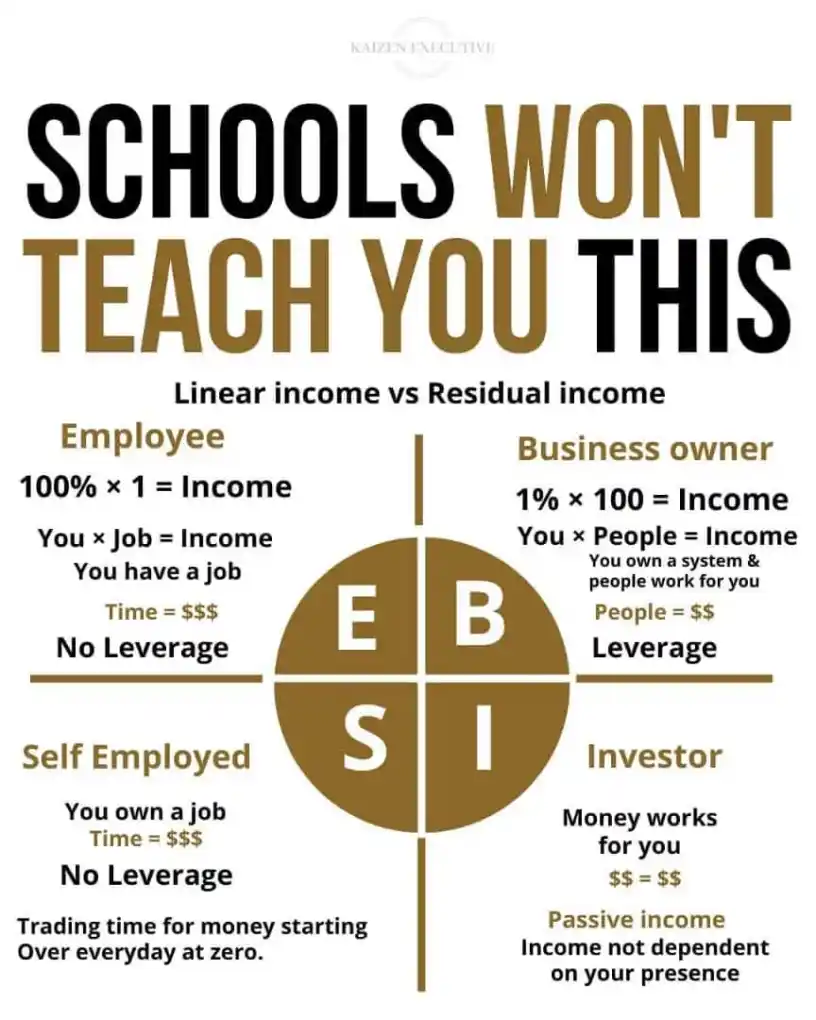
One of the defining aspects of real estate is its role as an investment vehicle. Many individuals and institutions invest in real estate to generate income through rental properties or capital appreciation over time. The real estate market’s cyclical nature can be influenced by economic factors, interest rates, and demographic trends, making it a complex landscape to navigate.
The Real Estate Market:
The real estate market operates as a marketplace where buyers and sellers engage in transactions. Property values fluctuate based on supply and demand, location, and economic conditions. Real estate professionals, including real estate agents, brokers, and appraisers, play crucial roles in facilitating these transactions.
Legal Aspects and Regulations:
Real estate transactions involve legal intricacies that vary across jurisdictions. Understanding property rights, zoning laws, and contractual obligations is essential for all parties involved. Government regulations also shape the industry, influencing land use, building codes, and environmental considerations.
Technological Disruptions:
In recent years, technology has disrupted traditional real estate practices. Online platforms, virtual reality tours, and data analytics have transformed the way properties are marketed and transactions are conducted. Proptech innovations continue to reshape the industry, making it more accessible and efficient.
Challenges and Opportunities:
While real estate presents lucrative opportunities, it also comes with challenges. Economic downturns, market volatility, and unforeseen events can impact property values. However, strategic investments, market research, and adaptability can help mitigate risks and capitalize on emerging trends.
Conclusion:
Real estate is a vast and intricate realm that extends far beyond the physical structures we see. It intertwines with economic, legal, and technological aspects, shaping the world we live in. Whether you are a homeowner, investor, or industry professional, understanding the multifaceted nature of real estate is essential for navigating this dynamic landscape successfully.