“Unlocking Wealth: A Guide to Real Estate Investing”
Investing in real estate has long been considered a reliable strategy for building wealth and securing financial stability. As an avenue that combines tangible assets with potential for significant returns, real estate offers a unique set of opportunities for investors. In this blog post, we will explore the fundamentals of real estate investing and the key considerations to make your foray into this market a successful one.
Understanding Real Estate Investing
1. Diversification of Portfolio
Real estate provides a valuable diversification option for investors looking to balance their portfolio. Diversifying across various asset classes, including real estate, helps mitigate risks associated with market fluctuations.
2. Steady Income Streams
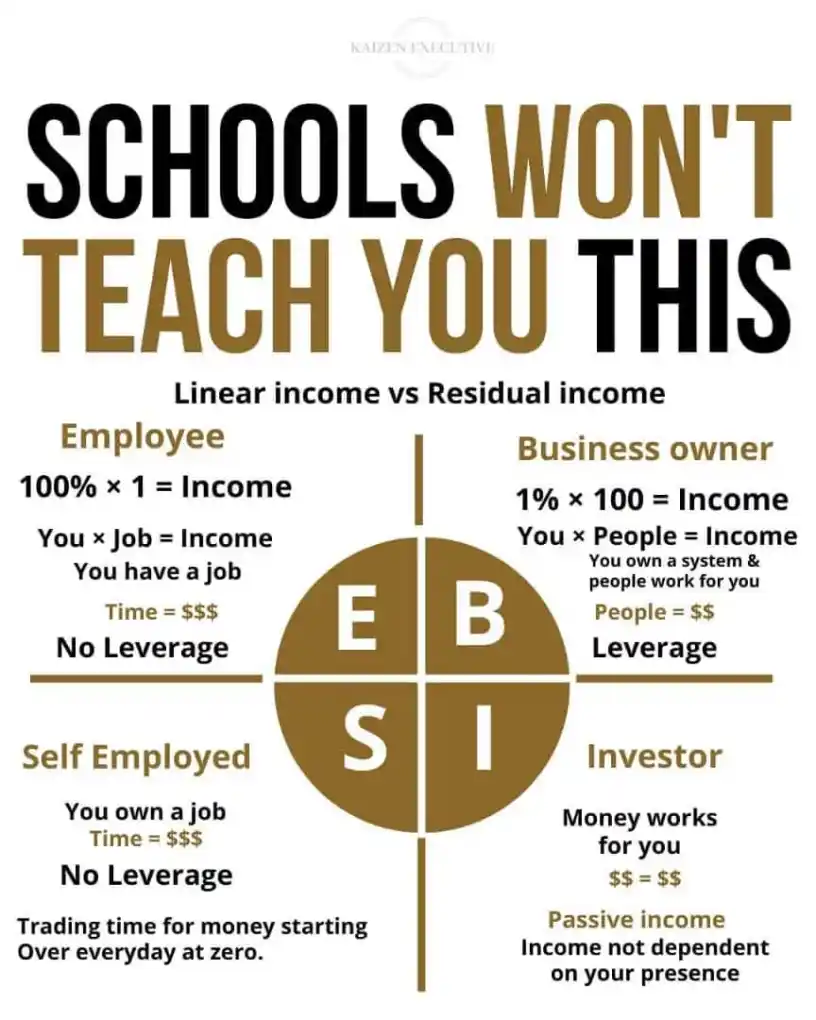
Rental properties can offer a consistent source of passive income. Investing in residential or commercial properties that attract reliable tenants can create a steady cash flow, providing financial stability and the potential for future growth.
Types of Real Estate Investments
1. Residential Real Estate
Residential properties, such as single-family homes or multi-unit apartments, are popular choices for investors. They offer stability and the potential for long-term appreciation.
2. Commercial Real Estate
Investing in commercial properties like office buildings, retail spaces, or industrial complexes can yield higher returns but often requires a deeper understanding of market dynamics.
3. Real Estate Investment Trusts (REITs)
REITs are a convenient option for those who want to invest in real estate without directly owning properties. These trusts allow investors to buy shares and receive dividends from the income generated by the underlying real estate assets.
Key Considerations for Success
1. Market Research
Thoroughly researching the local real estate market is essential. Understanding trends, property values, and potential growth areas can guide your investment decisions.
2. Financial Planning
Assess your financial situation and set a realistic budget for your real estate investments. Factor in costs such as property acquisition, maintenance, and potential vacancies to avoid unexpected financial strain.
3. Risk Management
Real estate, like any investment, comes with risks. Being prepared for market fluctuations, economic downturns, or unexpected property issues is crucial for long-term success.
Conclusion
Real estate investing can be a powerful tool for wealth creation when approached with careful consideration and strategic planning. Whether you’re a seasoned investor or just starting, understanding the nuances of the real estate market is key. By diversifying your portfolio, choosing the right type of investment, and conducting thorough research, you can unlock the full potential of real state as a wealth-building strategy.